

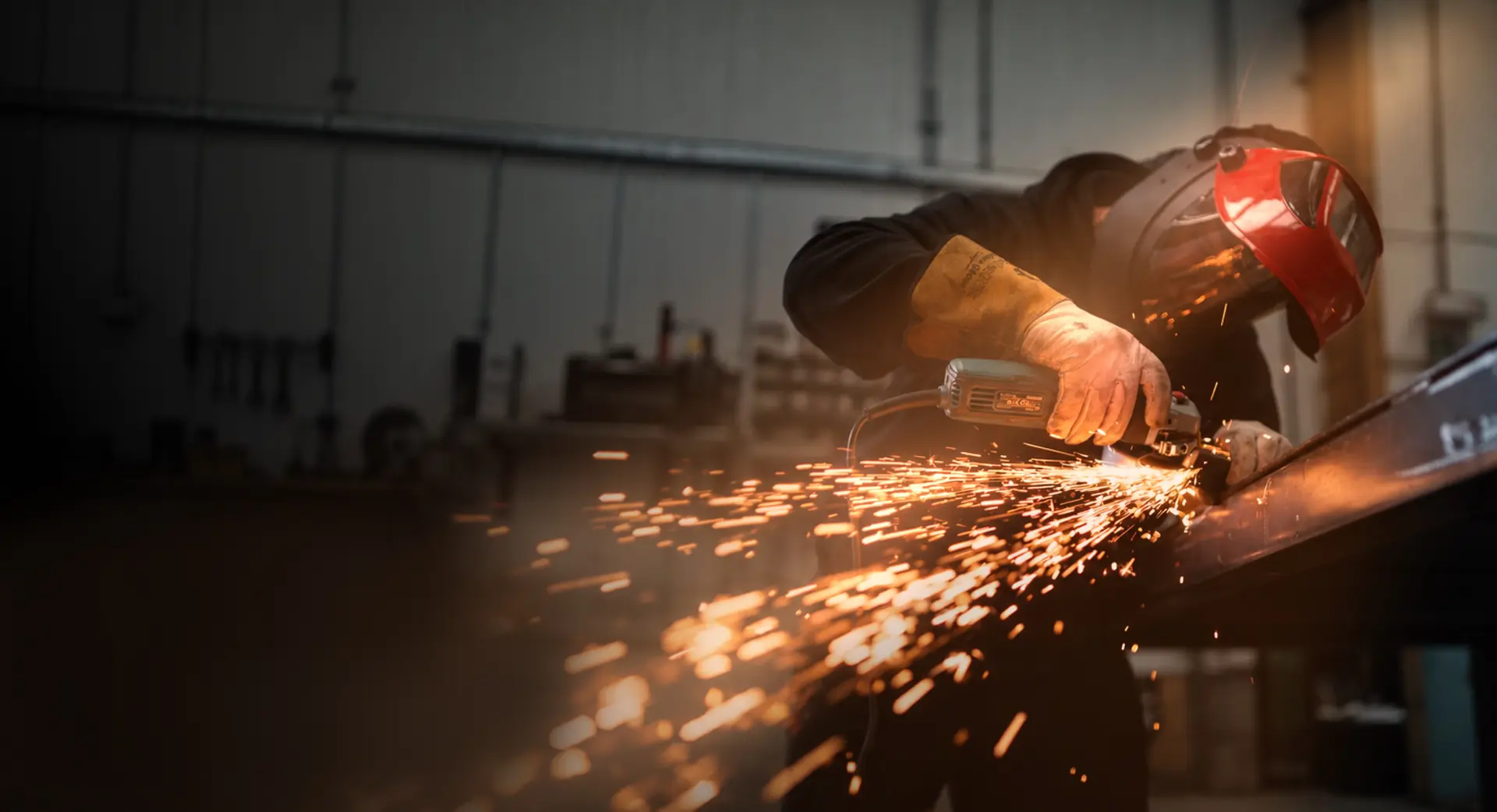
F4GE Manufacturing
Precision parts.Instrumented to the serial.
380+ machines. One operation.
An already-built, already-skilled precision base, run under Cell OS. Capacity is in place and ready per program.
Production machines under Cell OS, line by line
Instrumented machine-hours per month: nameplate capacity across the base
5-axis machining centers
Metrology and inspection assets
- Turning envelope
- Ø10–3,800 mm · shafts to 3.1 m
- Milling / gantry
- to 4,350 × 2,500 mm
- Molding & press
- up to 3,300 ton clamp
- Ground features
- ±0.002 mm · Ra 0.2 µm
Installed capacity ~75,000–110,000 machine-hours per month; committed capacity and lead time are quoted per program. Verified to 0.1 µm CMM resolution. Full machine-class breakdown (units, work envelope, and tolerance by class) available under NDA.
Machining to assembly.
One integrated precision operation (machining, turning, forming, casting, tooling, fabrication, and electronics) run under Cell OS as one supplier. Because the precision base is already built and running, cost and lead time stay competitive from the first article.
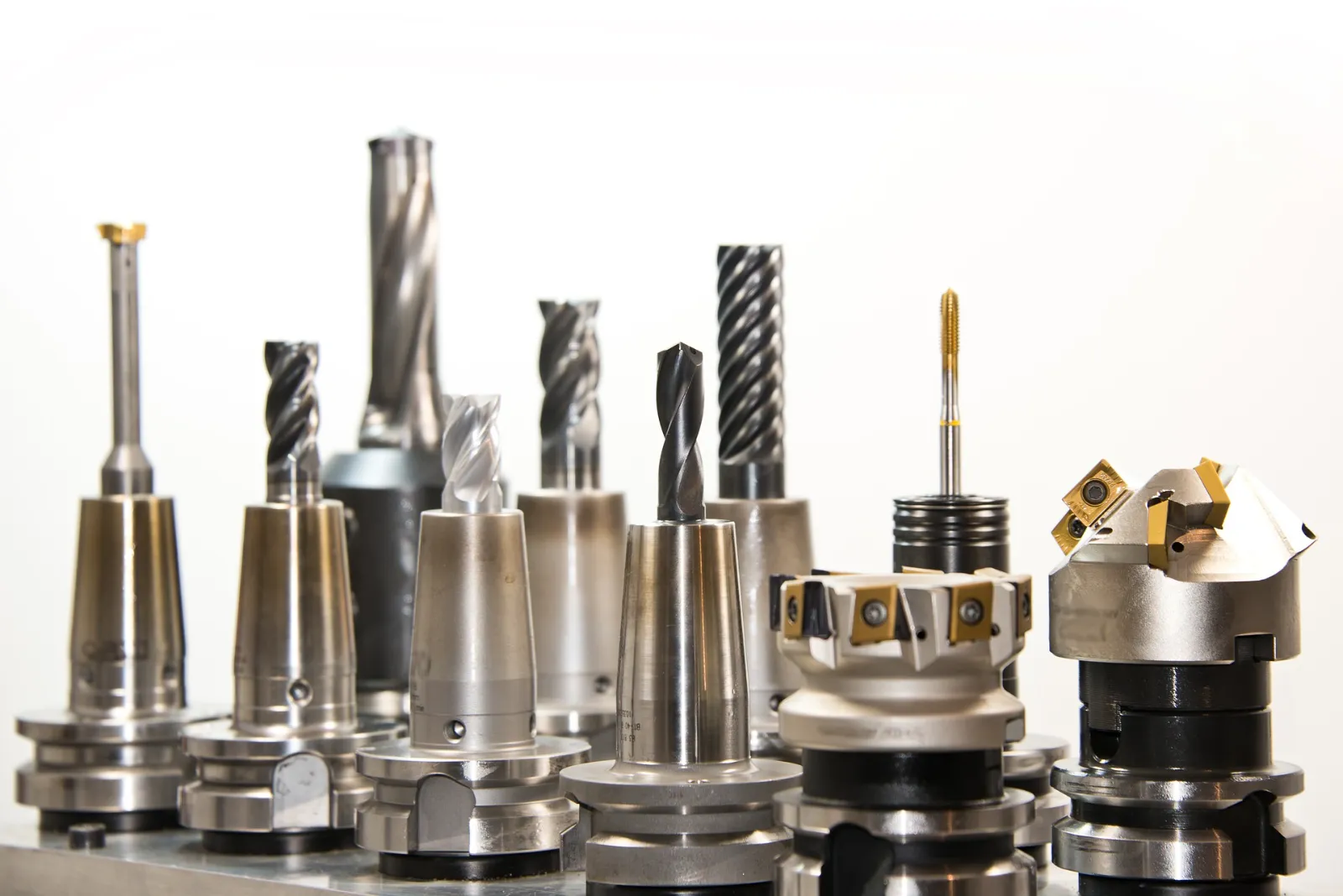
Every line instrumented
5-axis machining, injection molding, additive, forging and casting, post-processing, and assembly. Every line is instrumented and every part sits on its own machine record.
- 5-axis milling / turning
- Injection molding
- 3D printing
- Forging / casting
- Post-processing
- Assembly
Six core capability areas.
-
[01]
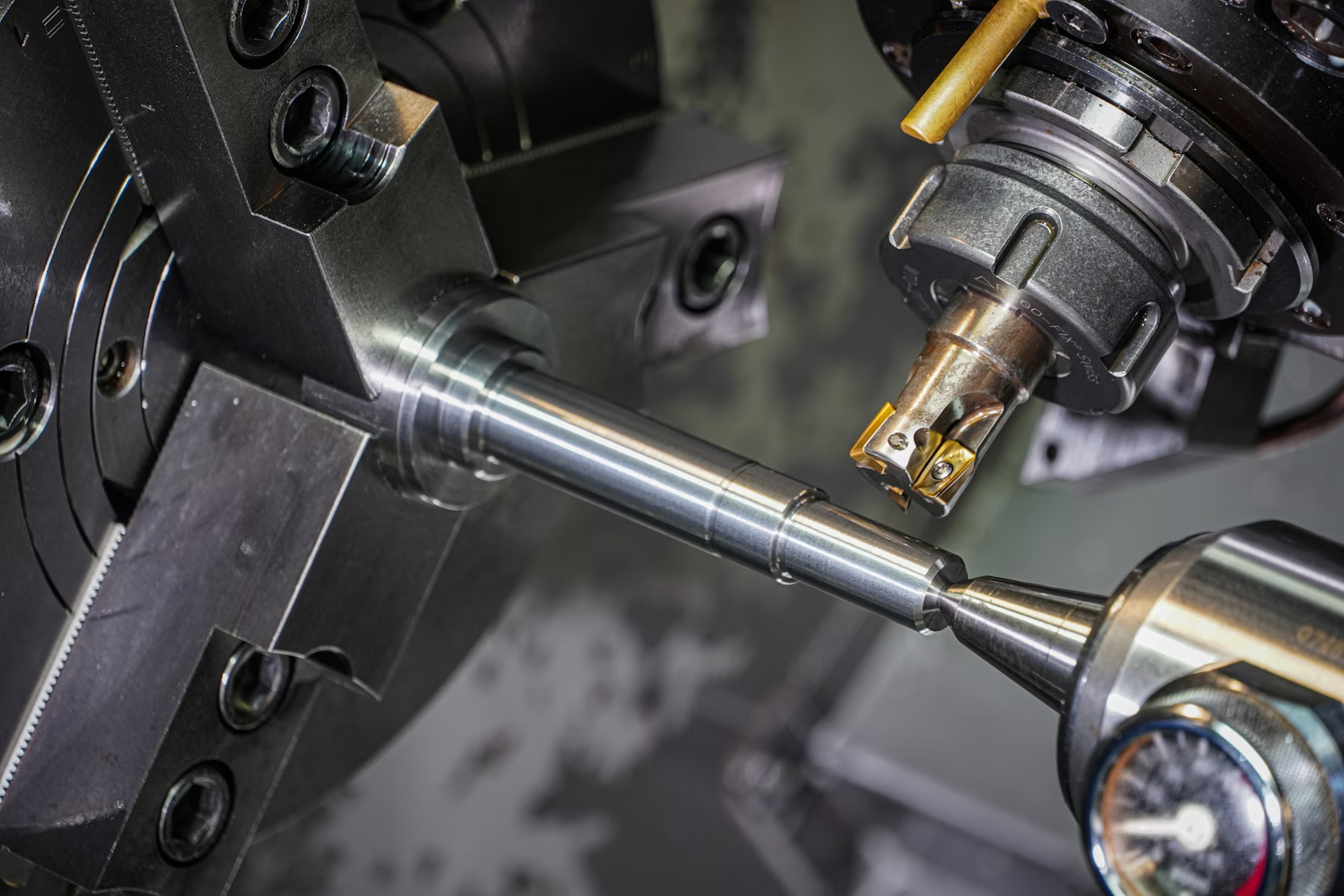
5-axis milling / turning
Precision machining for complex parts with tight tolerances, repeatable output, and controlled lead times.
- Complex geometry
- Tolerance control
- Repeatable production
-
[02]
Injection molding
Molded part production with tooling discipline, repeatability, and output suited to scaled programs.
- Tooling programs
- Repeatable output
- Production scale
-
[03]
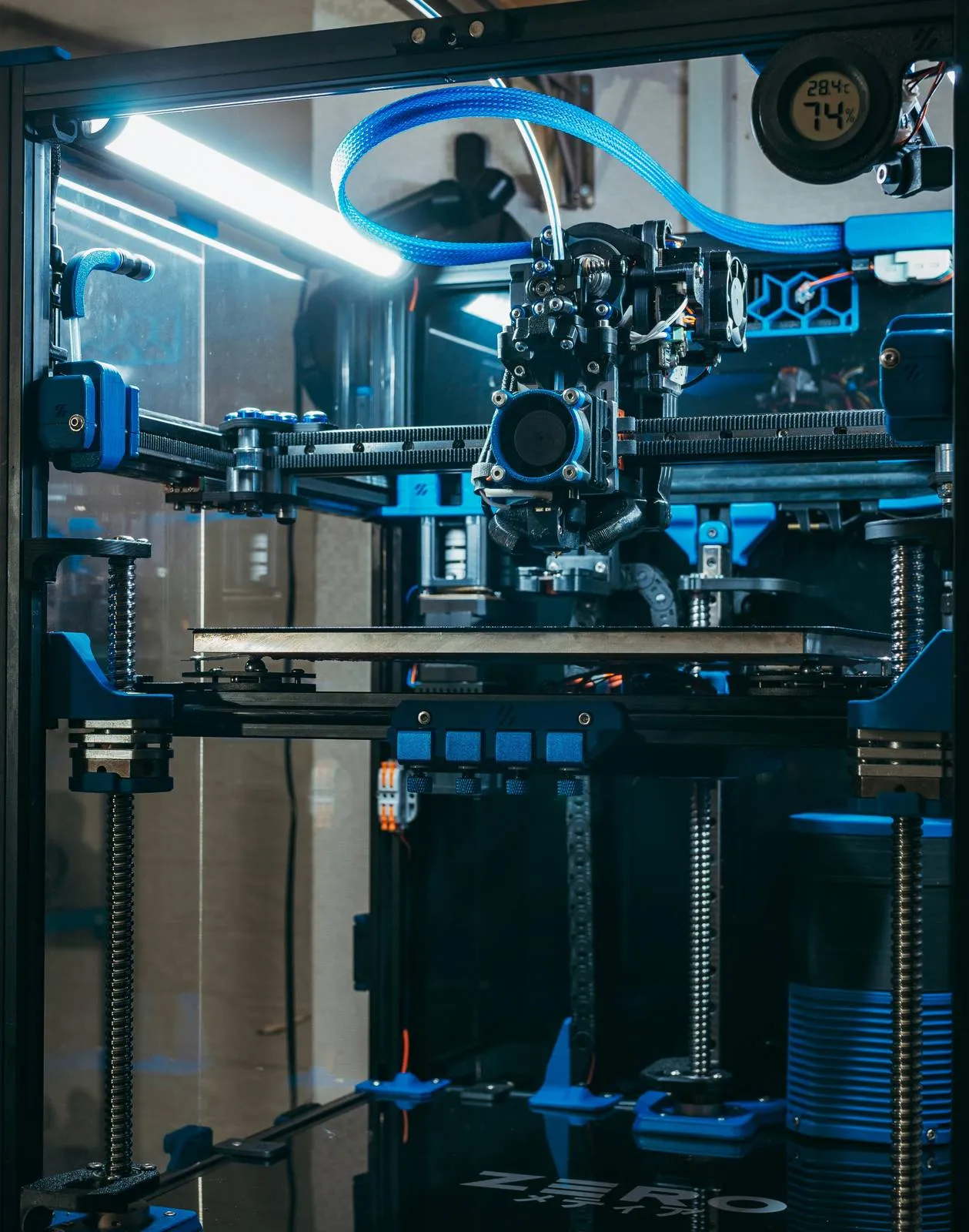
3D printing
Prototype and low-volume builds for fast iteration, design validation, and geometry that is difficult to machine.
- Prototype builds
- Low-volume parts
- Fast iteration
-
[04]
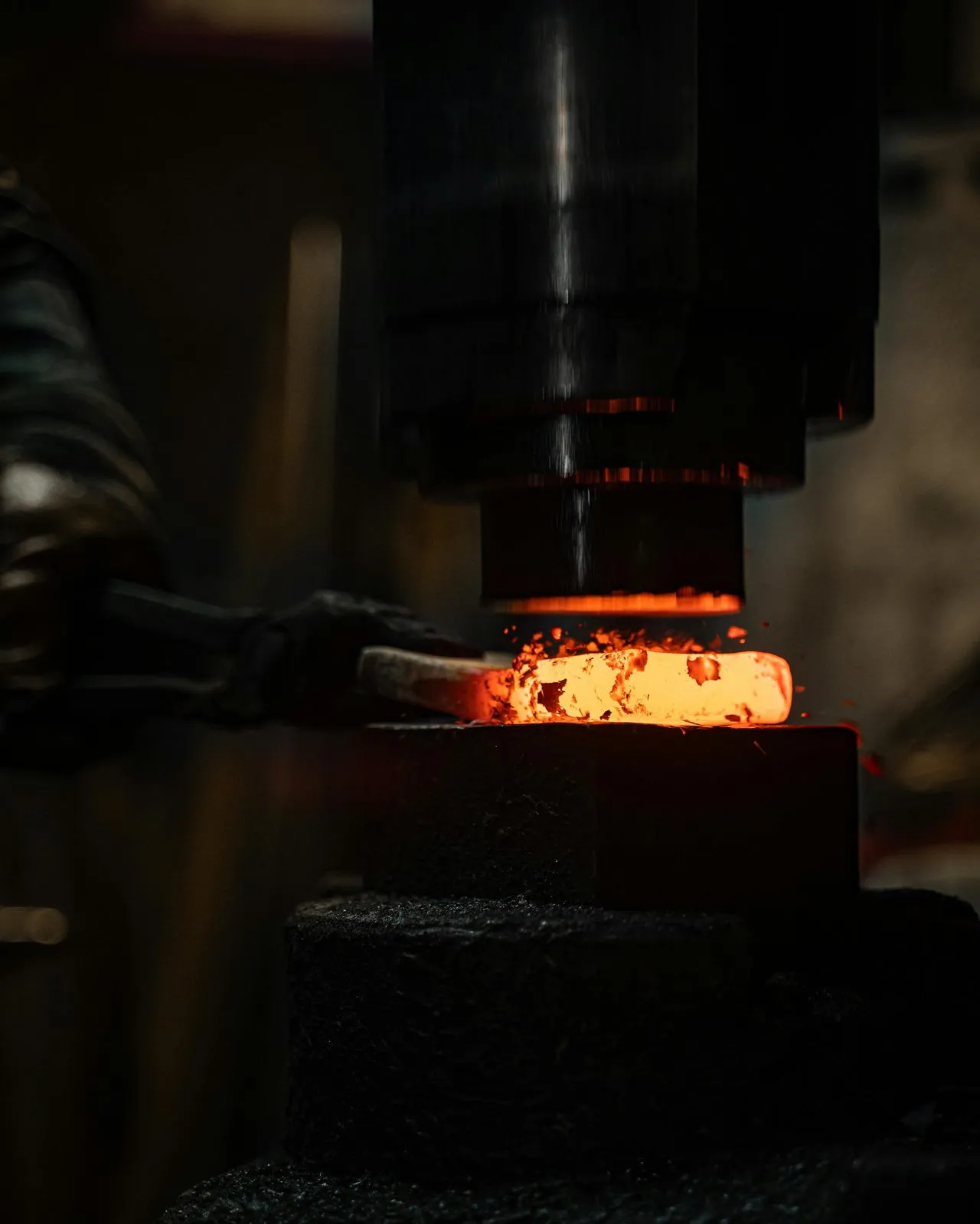
Forging / casting
Forged and cast components produced on in-house induction melting and forging lines: 0.25–8.0 t per heat, up to multi-ton casings.
- Formed parts
- In-house furnaces
- Multi-ton casings
-
[05]
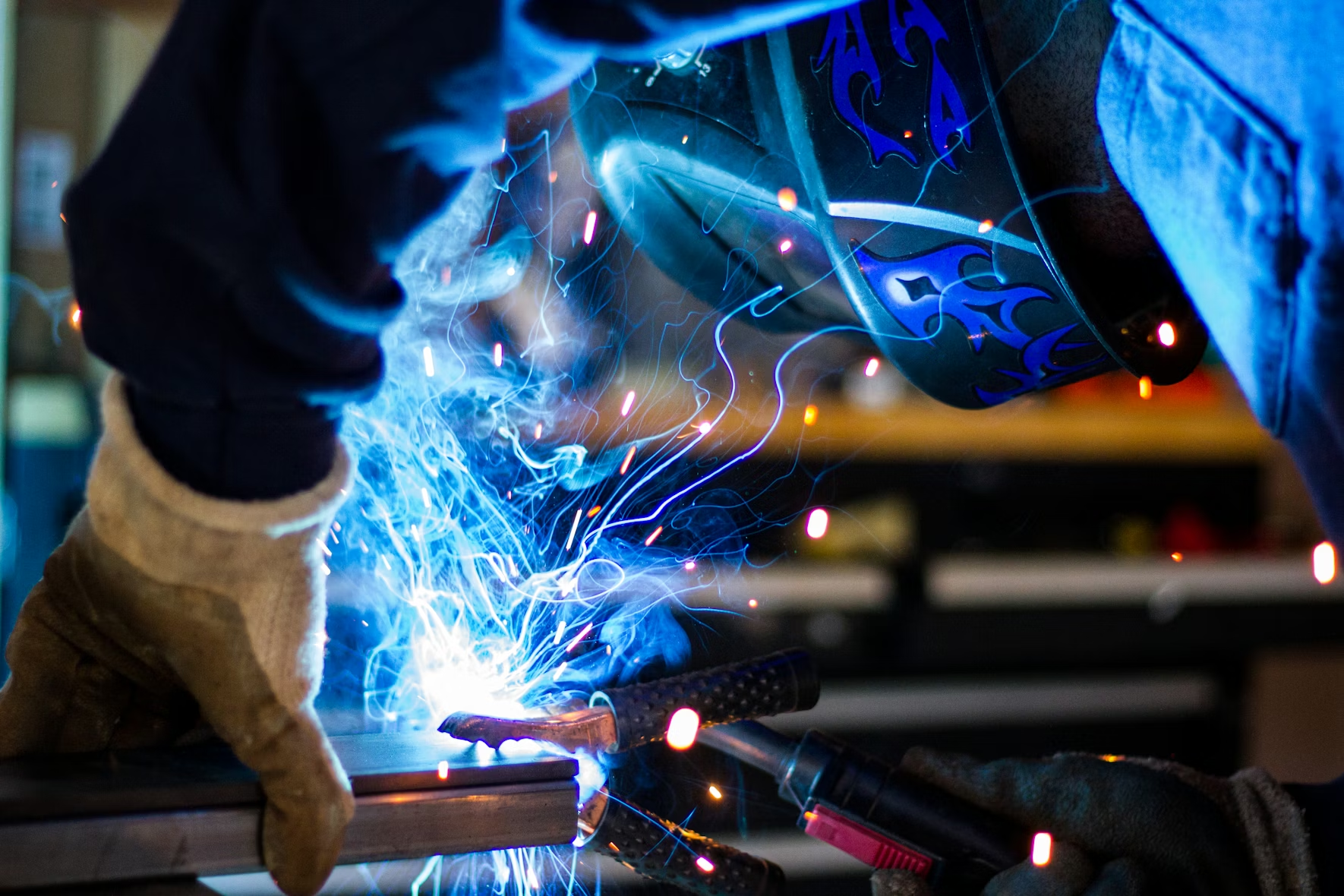
Post-processing
Finishing, coating, heat treatment, and related secondary operations kept inside the documented production path.
- Finishing
- Heat treatment
- Document continuity
-
[06]
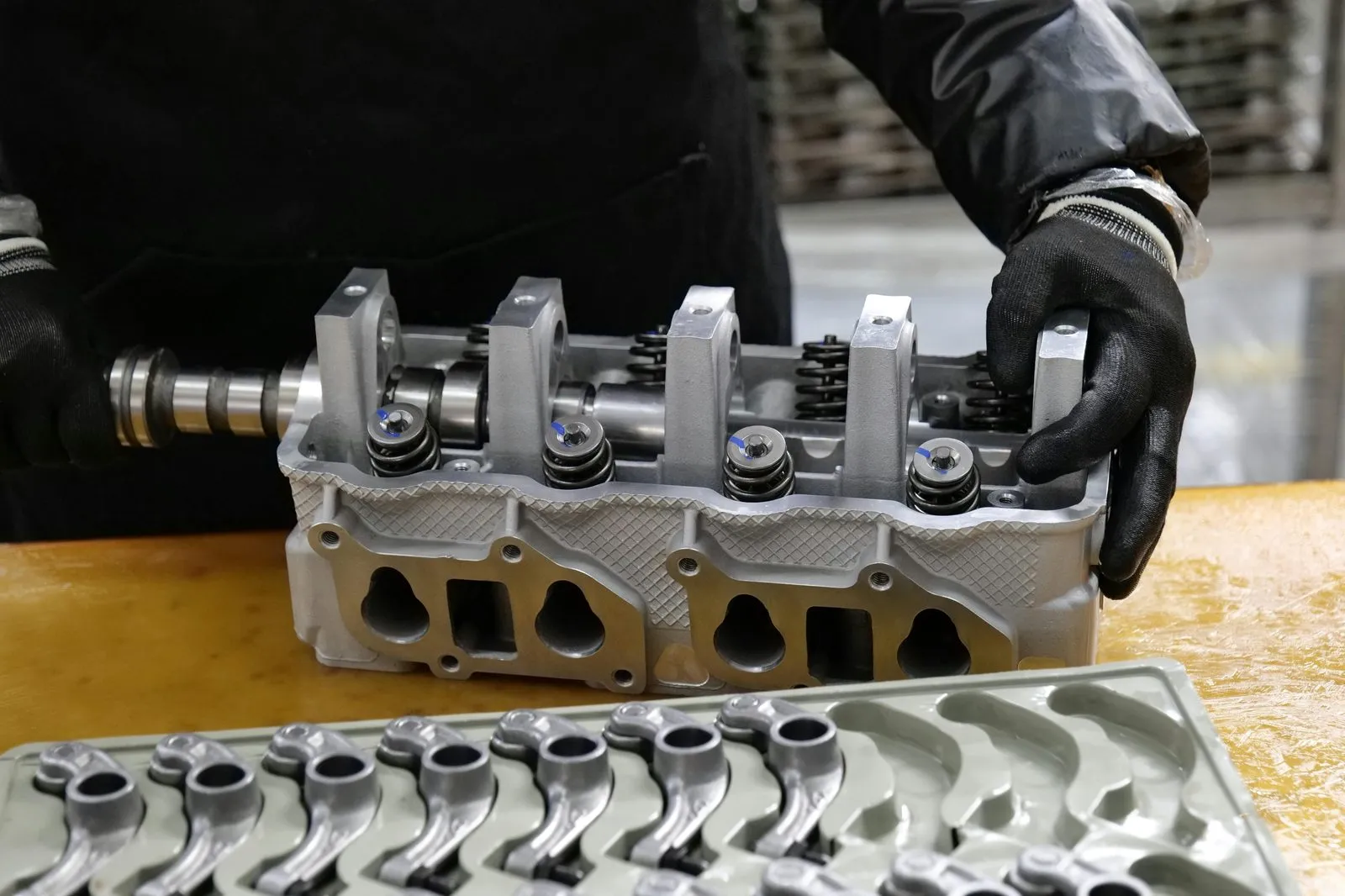
Assembly
Mechanical assembly managed through the same commercial and quality path as the rest of the build.
- Sub-assembly
- Coordinated builds
- Single supplier path
The record writes itself.
Cell OS runs at the machine, reading spindle, feed, and CMM data straight from the controls. Every part composes its own qualification record from that data, traceable to serial.
- Spindle12,400 RPM
- Feed0.08 mm/rev
- CMM dev+0.002 mm
- SerialF4GE-07-A2-0416
Delivered into your quality system
- Material certification (MTR / CMTR)
- Traveler / router log
- Dimensional & CMM report
- Serialization log
- Certificate of Conformance
- Shipment evidence index
Delivered as the documents your quality team already uses (AS9102, FAI, and PPAP formats), straight into your system.
Materials we support.
Common production metals, cast materials, composites, and engineering plastics.
- [01]
Aluminum alloys
Common aerospace and industrial grades such as 6061, 7075, and 2024.
- [02]
Steels & stainless
Carbon, tool, and special steels; stainless (SUS/SS); heat- and abrasion-resistant grades.
- [03]
Duplex & corrosion-resistant
Duplex / super-duplex, cupronickel, 6Moly, and 904L for marine and offshore service.
- [04]
Superalloys & titanium
Titanium, Inconel, Hastelloy, and nickel / molybdenum alloys for high-temperature and rotating parts.
- [05]
Cast alloys
Cast steel and gray iron, high-alloy and stainless castings, heat-resistant cast steel.
- [06]
Ceramics, composites & plastics
Technical ceramics (zirconia, alumina, SiC), CFRP / carbon composite, and engineering plastics (PP-GF, TPE, SMC).
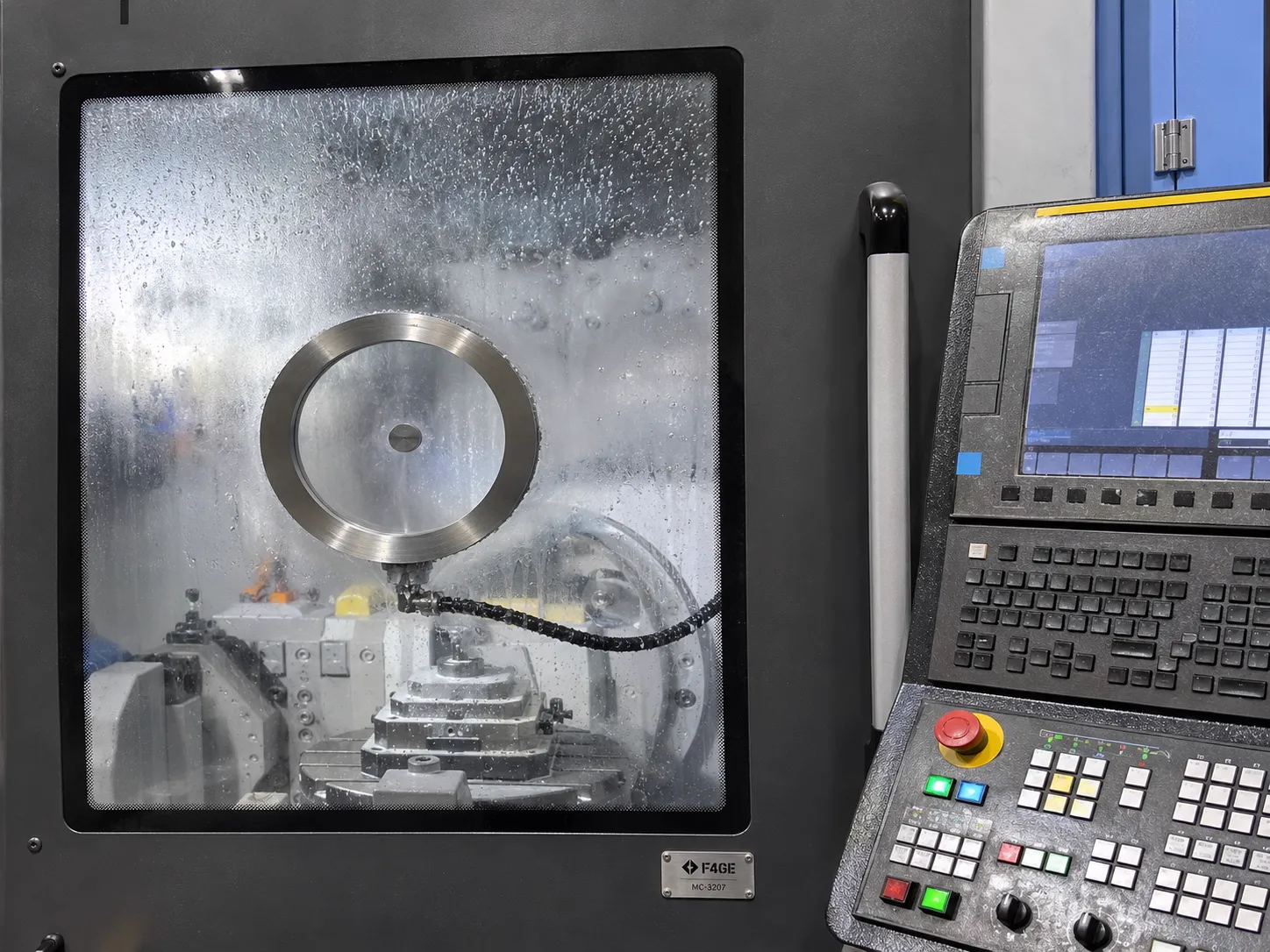
From RFQ to delivery.
F4GE runs the full process under Cell OS, from RFQ intake through instrumented production, the self-writing record, and shipment. Each program is tracked from RFQ intake through inspection, records, and shipment.
- 01
RFQ intake
Drawings, specifications, quantity, timing, and commercial terms are received through one entry point.
- 02
DFM review
Manufacturability, tolerance risk, and process fit are reviewed before planning moves forward.
- 03
Scope alignment
Materials, standards, quality requirements, and documentation needs are confirmed with the buyer.
- 04
Quote
Commercial terms, lead time, and process assumptions are compiled into a formal quote.
- 05
Line instrumentation
The line is brought under Cell OS. Spindle, feed, and CMM telemetry are captured at the machine over OPC-UA, FANUC FOCAS, and Modbus.
- 06
Instrumented production
Manufacturing runs with every part composing its own machine record, traceable to serial, under one operator.
- 07
Inspection
Incoming, in-process, and final inspection are applied as required by the program.
- 08
The record writes itself
Material cert, traveler, dimensional / CMM, and certificate of conformance are composed from machine data (AS9102, FAI, PPAP) by F4RIFY, then delivered into your system.
- 09
Delivery / shipment
Final release, packing, and shipment are handled through the same commercial path.